| |
|
 |
| |
|
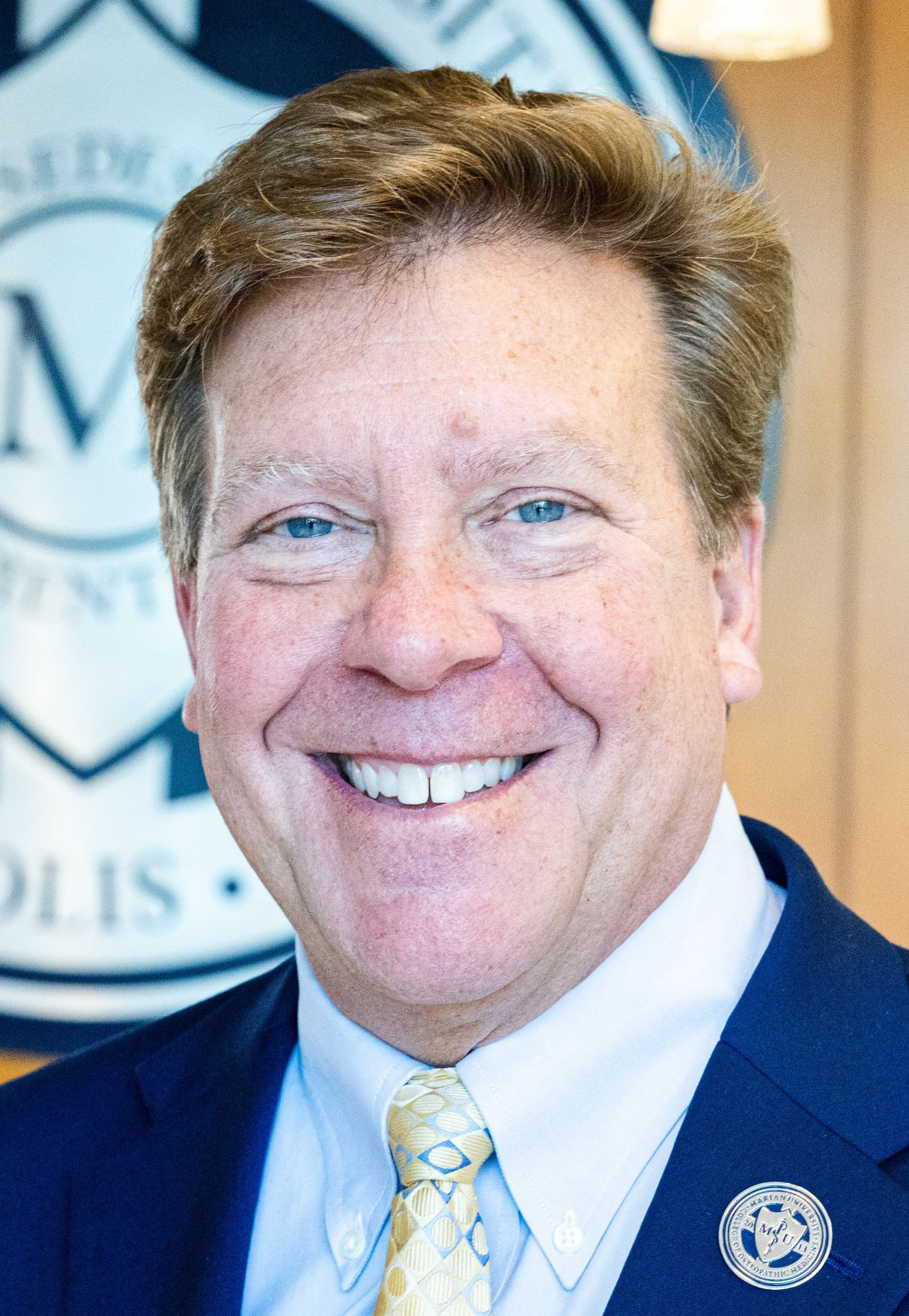
Clif Knight, MD, CPE, FAAFP |
By Richard Gunderman, MD, PhD
ISMA President-elect
ISMA Wellness Steering Committee Chair
Clif Knight, MD, CPE, FAAFP, who will become ISMA’s next Executive Vice President in July, will also be moderating several discussion sessions at ISMA’s third annual Physician Wellness Symposium on September 25 in Noblesville. As a member of the Physician Wellness Steering Committee, he has played a major role in developing the program.
“At the first two wellness symposia, it has been very gratifying to see the high level of participant engagement,” said Dr. Knight. “It is always great to bring the physician community together and help colleagues feel less isolated, more connected and inspired, and return to their practices with great new ideas they can implement.”
In his role as a moderator, he always emphasizes this practical element. “We want our colleagues to know that they are not the only ones facing stresses and challenges in medicine, but it is also very important that they leave with new things to do to improve the situation. We all need to take action to make things better,” he said.
Another feature of the first two wellness symposia that Dr. Knight expects to shine again this year is candor. “It is amazing how open our speaker colleagues are prepared to be, not only in describing some of the trials they have faced but also in admitting that they don’t have it all figured out. We are fortunate that they are willing to share so honestly.”
As a moderator, Dr. Knight also aims for clarity. “Sometimes, when people are suggesting approaches to challenges, they may not make their ideas as clear as possible. It is part of my job to ensure that we go beyond assuming that others are taking away practical points and make sure that they are stated explicitly.”
He also emphasizes the need to expand our field of view beyond people who are having difficulties and how to help them. He recalls once being asked by a supervisor, “How would you like to be our physician burnout doctor?”
“I don’t want to be our burnout doctor. I want to be our physician well-being doctor,” he said.
Dr. Knight compares this shift in perspective to someone riding a motorcycle. If a rider focuses on the hazard they are trying to avoid, they are more likely to find themselves in a collision than if they focus on the path they need to follow to proceed safely.
“We want physicians to avoid burnout, but also to more than just survive,” he said. “More importantly, we want them to thrive.”
This means also paying attention to physicians who are flourishing in practice to learn what they are doing. “We might call this positive deviance,” he said. “When people are finding a real sense of fulfillment in medicine, we need to analyze that. What are the situations and who are the people for whom things are turning out well, and what can they teach us?”
As an example, Dr. Knight points out some physicians he knows who have adopted a direct primary care model.
“Some of them seem to find a much higher level of satisfaction in their work, partly because they can focus more of their attention on actually helping their patients, as opposed to busy work,” he said.
More broadly speaking, he points to the 2012 book “Resilience” by Steven Southwick, MD, and Dennis Charney, MD, which argues that resilience is a learnable skill, stressing that optimism can be cultivated, that all physicians need a strong moral compass, and that spirituality and faith can play a key role in coping with adversity. There are 10 core principles in all.
Yet Dr. Knight is also keen to ensure that we do not place all the responsibility on individual physicians. “While there is work for each of us to do as individuals, it is also vital that we recognize system-wide issues that need to be addressed. It is here that ISMA’s advocacy can play an especially important role.”
He points to an example, the national group Moms in Medicine. Founded on the realization that being a mother in the medical field brings its own set of challenges and responsibilities, it provides a grassroots forum for sharing resources, support and connection. “Men in medicine often have something to learn from women in medicine about sharing,” he said.
Fostering a sense of community in medicine comes naturally to Dr. Knight. Asked to describe what he finds most fulfilling, he responds, “Building teams of physicians and other professionals and then seeing the members of those teams grow and develop as both professionals and persons.”
To see Dr. Knight and the other speakers at the Physician Wellness Symposium in action, register at
www.ismanet.org/PWS-2026. The speaker lineup includes Adam Hill, MD, Jason Marker, MD, Kyra Reed, MD, and Indiana Hospital Association President Scott Tittle, JD, and Board Chair Jim Callaghan, MD.