Rachael’s First Week (RFW) is a multifaceted program dedicated to protecting teens' lives as they transition to adulthood. Resolution 25-43 (Partnering with RFW to promote community outreach by physicians) focuses on the not-for-profit started by Angi Fiege, MD, an Indiana emergency medicine, critical care, and trauma ICU physician, following the death of her daughter.
RFW challenges young men and women to reflect on the choices they make and to always look out for one another, including strangers. The program encourages a change in culture from approaching college with risk-taking behaviors to one of fun, using common sense and caring for friends and strangers alike.
RFW is led by college freshmen in their first year, who return to their high schools to mentor graduating seniors. Their message is clear: call for help immediately before a life-ending event occurs. This message is reinforced by emergency medicine physicians who are on the front line.
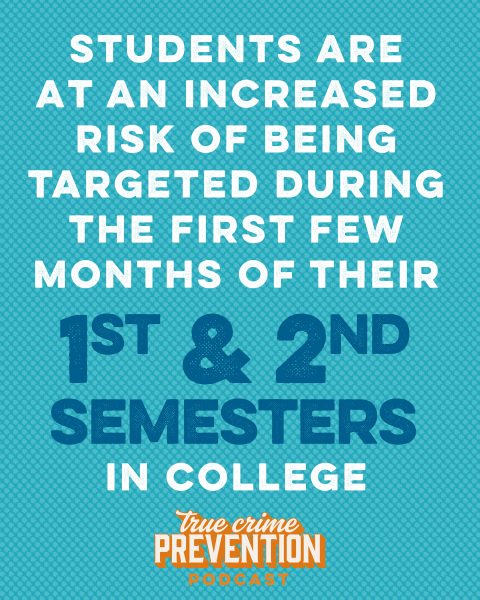
Rachael Fiege was a 2013 Zionsville High School graduate who had attended Indiana University to study pre-nursing. She was visiting friends in a house off campus during the first weekend of school when she fell down a flight of basement stairs. Other people at the house apparently didn’t realize she was injured, and she later fell asleep at the house. In the morning, people realized Fiege was not breathing, or appeared not to be breathing, and called emergency services. Fiege was unconscious and not breathing when emergency workers arrived and was pronounced brain dead later that day at the hospital. She later died.
Dr. Fiege has developed resources and educational programs to support the organization and vision.
“Losing a child is one of the most painful experiences a parent can endure,” Dr. Fiege said. “What’s often unseen in the moment is the profound ripple effect—not just on immediate family, but also on extended relatives, friends, teammates, teachers, and the wider community.”
Formed over a decade ago, RFW led to the formation of the
College Safety Coalition, a dedicated advocacy group committed to preventing future losses.
According to Dr. Fiege, the primary mission is to pass the
Corey Safety Act as a national law. This bill would strengthen the existing
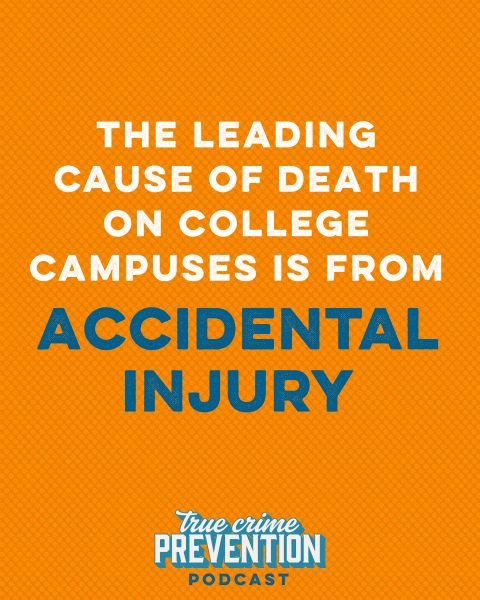
Clery Act by requiring colleges and universities to report incidents that result in serious injury or death. While current federal law mandates reporting on crime, fires, and missing persons, it does not require transparency on non-criminal injuries and fatalities—even though accidental deaths are the leading cause of student deaths in college. This gap leaves a critical void in data collection, making it harder to identify and address risks that threaten student safety.