| |
|
 |
| |
|
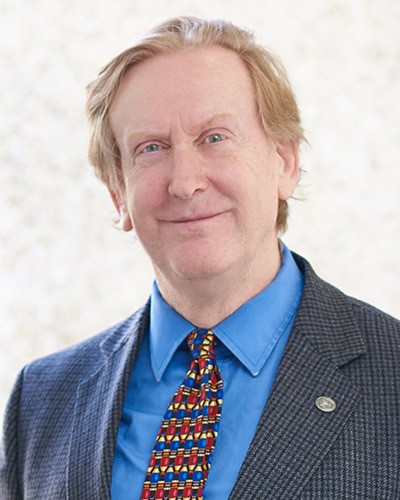
Richard Gunderman, MD, PhD
|
By Richard Gunderman, MD, PhD
ISMA President-elect
ISMA Wellness Steering Committee Chair
Co-authored by James Lynch, MD,
Associate Dean for Admissions at the University of Florida College of Medicine
The notion that diseases can be traced to excesses and deficiencies is a venerable one. For example, hyperthyroidism stems from an oversupply of thyroid hormone, while type one diabetes arises from a deficit of insulin. More recently, new pathologic entities have entered the medical lexicon, such as sarcopenia, introduced by Irwin Rosenberg in the late 1980s. We believe a corollary neologism should now follow – psychopenia.
Most of us encounter sarcopenia regularly, sometimes when assessing patients’ diminished muscle mass and strength in the office, at other times when viewing CT and MRI scans that show atrophied skeletal muscles, and still other times in daily life, such as encountering an elderly, cachectic patient who has difficulty rising from a chair. Derived from Greek roots meaning “fleshly poverty,” sarcopenia is part of a larger syndrome of frailty.
Diagnosed by loss of muscle mass and strength early on in areas such as the anterior thigh and abdominal muscles, sarcopenia increases rates of disability and injury. It is linked to other sequelae of frailty, including increased infection risk, poor wound healing, and increased mortality rates. Strategies for attempting to arrest and reverse sarcopenia include exercise, diet, and the use of nutritional supplements.
Just as sarcopenic patients can waste away in a fleshly sense, so the spiritual impoverishment of psychopenia can exact a significant toll. As religious traditions have warned for thousands of years, it is possible to be materially well-off, vocationally successful, and even famous and powerful, and yet to feel empty inside, becoming what the poet TS Eliot referred to as one of the hollow men.
In fact, not only is there no necessary positive correlation between material prosperity and spiritual flourishing, but the relationship is also often negative. This stems from the fact, highlighted 2,500 years ago by Aristotle, that we tend over time to increasingly resemble what we habitually attend to. Someone who focuses on money, fame, or power, at least on the neglect of other worthy things in life, is likely to become progressively more hollowed out.
What are the other worthy things in life? Some include family, friendship, community, profession, and faith. Physicians who regularly strive to help others thrive in these domains are likely to be more spiritually fulfilled than those who disregard them. And the same can often be said about intellectual and artistic pursuits, such as reading good books and making time for good music, art, and theater.
Physicians who seek to relieve psychopenia and enrich the lives of others might, for example, reorganize their lives to spend more time on fulfilling activities with family, colleagues, or faith communities. Likewise, they might help build and sustain groups that read good books, attend concerts together, or regularly gather to watch and discuss films. Simply getting people together to talk with one another can be surprisingly effective.
A very successful physician once told us that the most meaningful thing she had ever done in medicine was to organize a Habitat for Humanity construction project for her department. Over the course of the three-day weekend, she and her colleagues, including not only physicians but nurses, clerical staff, medical social workers, technologists, and others, developed a sense of community they had never enjoyed before.
One contemporary factor making the recognition and remediation of psychopenia especially problematic is our inability to diagnose it serologically, endoscopically, or radiologically. A CT scan reveals sarcopenia at a glance, but to gain insight into psychopenia requires an investment of time and attention of the sort that contemporary healthcare tends to recognize and reimburse poorly or not at all.
Specifically, assessing psychopenia requires conversation and observing a person in action. How do colleagues understand their work? Do they think they are merely shuffling papers or restoring health and relieving suffering? To what degree do they find their work demoralizing or fulfilling, and what are the sources of these sentiments? When they go about their day, do they seem dejected, or do they rejoice from time to time in their service?
Likewise, the therapy of psychopenia may, by conventional standards, appear inefficient. There is no medication to prescribe, no diseased tissue to excise, no device to implant. Instead, we must turn our attention toward ourselves and one another and nurture our spirits. Prospects for quick turnarounds and high revenue are poor, though the human contribution can be great.
Make no mistake, though, the consequences of psychopenia in medicine can be dire indeed. Those who feel empty inside are far more likely to become burned out, depressed, addicted to alcohol and drugs, miss work, suffer declines in work quality, quit their jobs, leave the practice of medicine, and even attempt to take their own lives. Psychopenia kills, not just in terms of mortality but also zest for work and life.
In the words of William Osler, among the most admired of all US physicians, we must balance what is new in medicine – cutting-edge pharmacology, technology, and medical science – with its older, more humanistic side, especially attention to the spirit. By preventing the merely new from leading us to neglect what has served us well for thousands of years, we avoid lapsing into a dangerous imbalance and preserve a rich spiritual heritage.